Image Gallery
About Folk Art Park
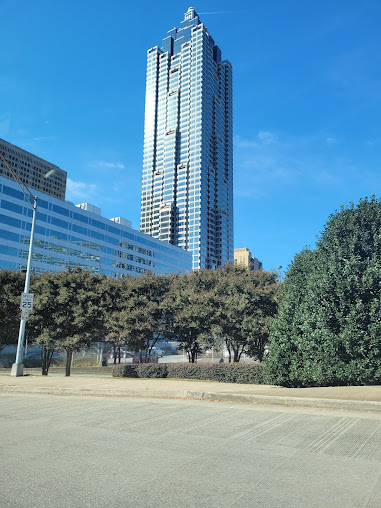
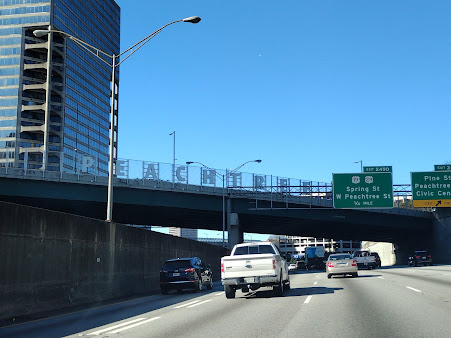
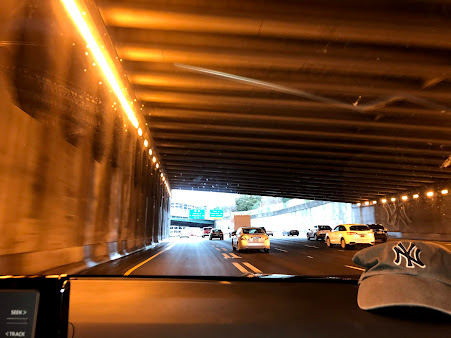
Folk Art Park is a truly unique urban art space tucked into downtown Atlanta’s intersection at Courtland Street NE and Ralph McGill Boulevard. Stretching across concrete islands beneath highway overpasses, the park occupies just a few paved blocks, yet it makes a remarkable impact with a bold display of regional creativity.
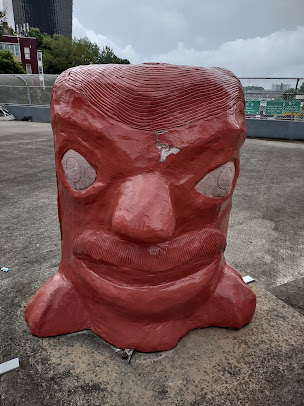
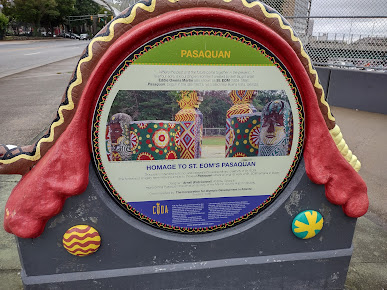
The park began as a public art initiative tied to Atlanta’s 1996 Olympics, developed through a collaboration between city planners and folk art advocates to transform leftover DOT land into something inspiring. Since then, it has hosted the work of celebrated self‑taught Southern artists like Eddie Owens Martin (St. EOM), R.A. Miller, James Harold Jennings, Vollis Simpson, Archie Byron and Howard Finster.
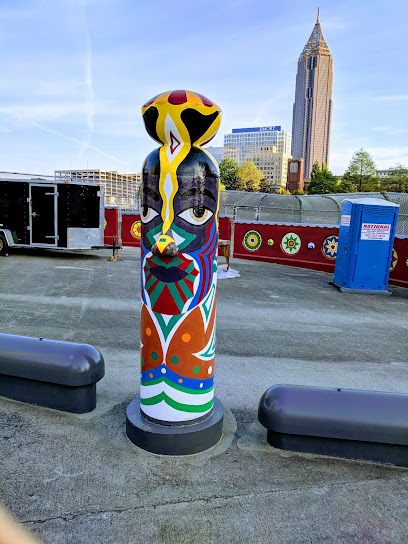
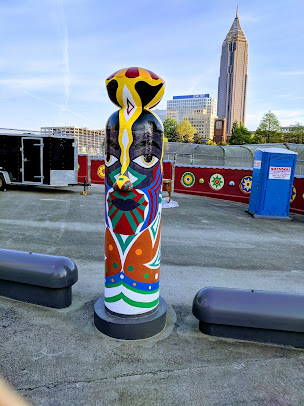
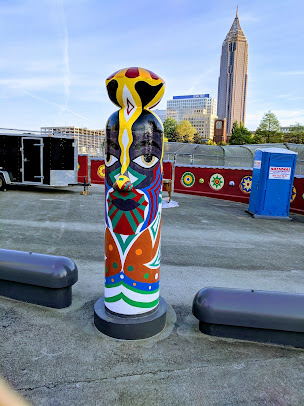
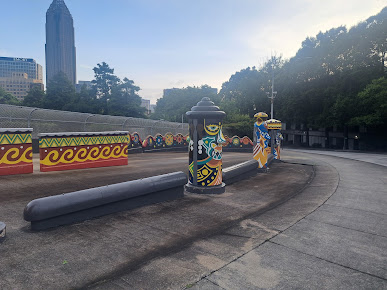
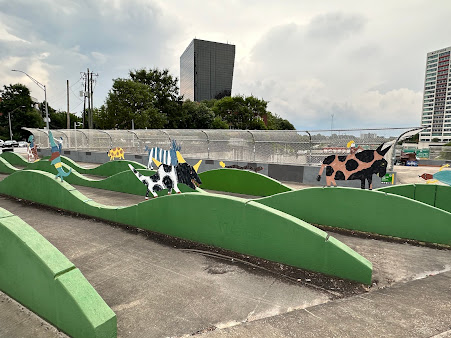
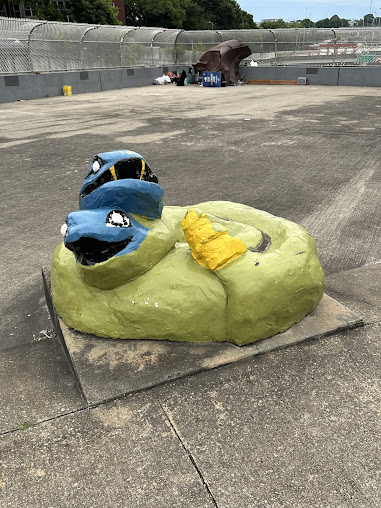
Walking through, you’re met with tall folk art totems, colorful sculpted walls, gourd figures, windmills, quilt‑inspired murals, and imaginative human-animal hybrid forms. The installations draw influences from Native American symbolism, African traditions, and visionary contemporary art, lending the space a surreal yet grounded feel.
Paths weave around artistic displays, giving both casual passersby and dedicated art lovers a chance to navigate through open-air galleries. There aren’t benches or lawns—this park centers on visual storytelling. Visitors often pause mid-street to take photos beside towering sculptures or walk alongside mosaic textures that wrap around pillars beneath the highway.
Beyond being a visual highlight, the park frequently comes alive with community engagement. Local youth programs or pop‑up performances happen in small clearings, while informal sketchers and art students often perch nearby drawing murals on clipboards. In warmer months, skateboarders or teens explore pavement edges alongside mural fins, adding a kinetic energy to the static artworks.
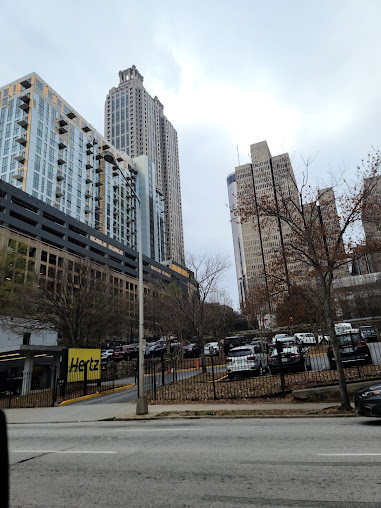
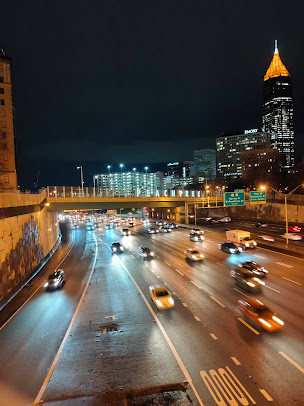
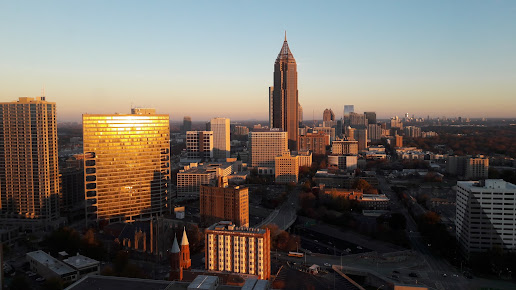
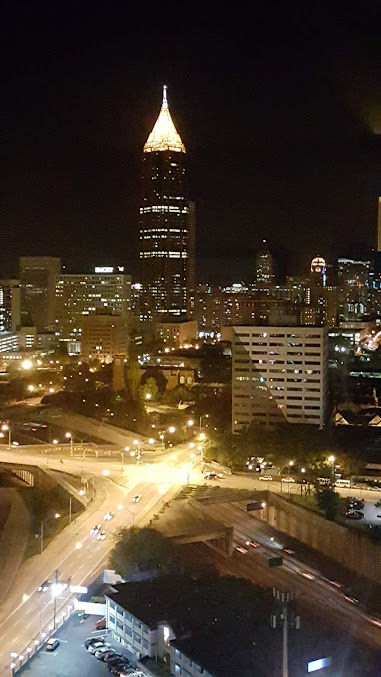
Crowds gather most around dusk when lighting highlights sculptures against darkening skies. From nearby office towers, people peek down into the space, glimpsing art perched over traffic yet completely separate in mood. Photographers, creative groups, and visitors fascinated by outsider art often find this place unforgettable.
Landscaping is minimal but deliberate. A few low shrubs soften boundaries, and climbing vines along fences echo the textured aesthetic of sculptures. Urban plantings near stairs or entry points bring seasonal color without overpowering the sculptural focus.
Folk Art Park doesn’t operate like a traditional park set with lawns or playgrounds. Instead, it’s a structured art corridor that invites intentional visits. Most people approach on foot from nearby hotels, offices, or transit—even though no on‑site parking exists, street access is easy within a short walk.
Throughout the day, you’ll see a mix of photo takers capturing the art, parents guiding children up sculpted forms, hikers pausing mid‑block for a breath, or street artists adding subtle chalk art to blank spots. On occasional weekends, mural tours and local art walks include the park as a featured stop.
The energy here is visual and interpretive rather than playful or athletic. It functions as a downtown cultural pulse, where folk traditions meet modern city life. Colors, shapes, and surprising figures create an ongoing conversation between past and present, making the space feel vivid, inclusive, and distinctly Atlanta.
-park/thumbnail-300x200.webp)